
Pankho Ki Udaan
The Pankho Ki Udaan Initiative, led by Sajha Welfare Foundation, is a structured school adoption program designed to strengthen educational retention, confidence, and life outcomes for adolescent girls studying in Classes VI to X in government schools in Patna.
Through this initiative, Sajha Welfare Foundation will adopt two government schools to ensure consistent, long-term, and meaningful engagement with adolescent girls during their most formative years. The program goes beyond academic support and focuses on holistic development to help girls stay in school, build confidence, and prepare for future opportunities.
Background of the Initiative
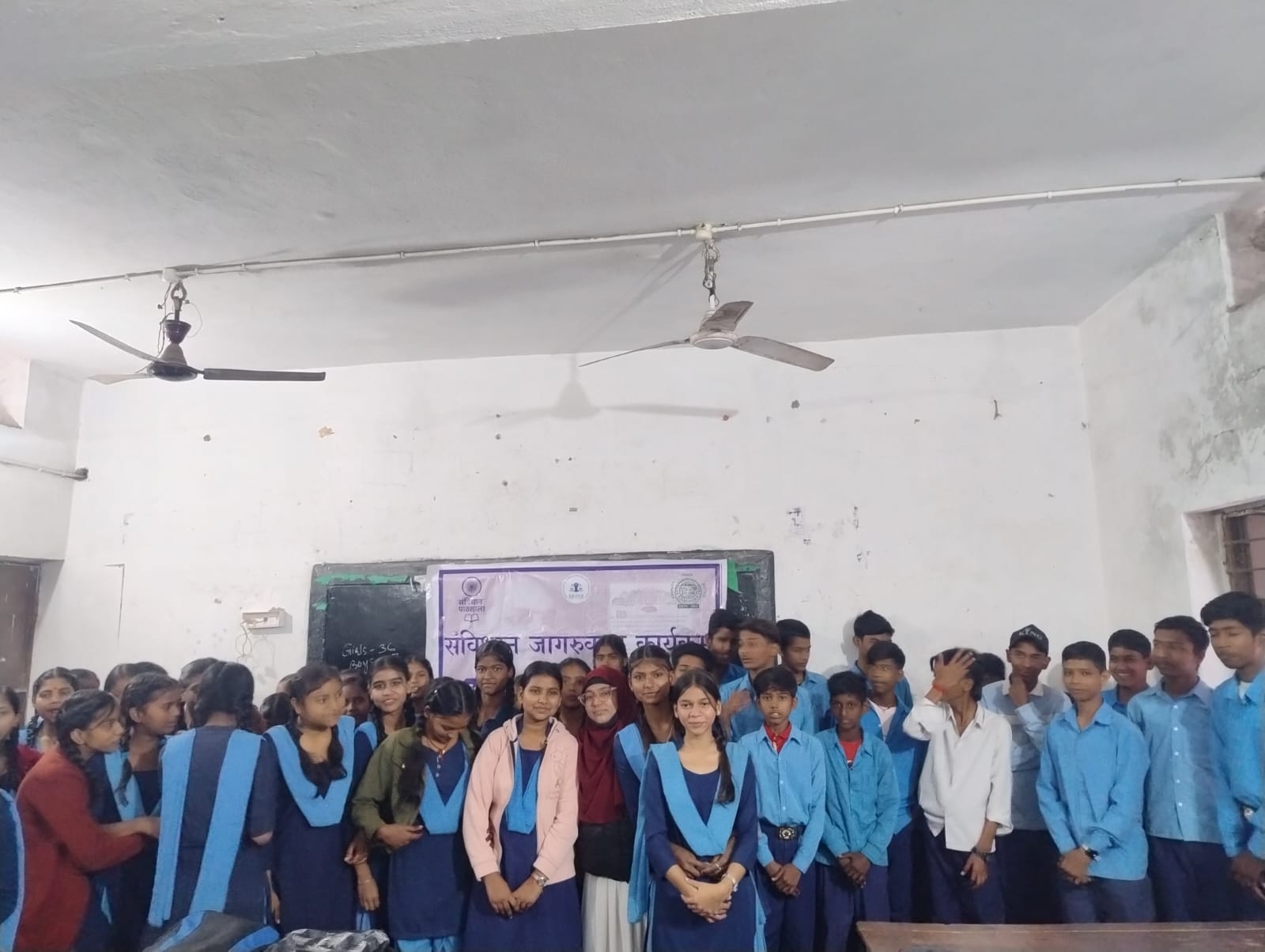
In Bihar’s government schools, particularly between Classes VI and X, we are witnessing a quiet but devastating crisis of “lost potential.” While UDISE+ and ASER 2024 data show that girls now form the overwhelming majority of students and often exceeding 80%. this isn’t just a success of enrollment; it is a reflection of a painful gendered investment gap. When a family has limited resources, they often stretch every rupee to send their son to a private school, while their daughter is left in an overcrowded, under-resourced government classroom. This sends a silent, crushing message to a young girl before she even opens a book: your brother’s future is an investment, but yours is a formality.
The data paints a heartbreaking picture of this neglect. By Grade VIII, nearly 30% of these girls cannot read a simple Grade II text, and only 24% can solve basic division. This is not a lack of intelligence; it is a “stolen childhood” of learning. For these girls, school becomes a place of “silent exclusion”—they sit in classrooms for years without ever truly being taught. This academic void is compounded by a “techno-patriarchy” where, despite 90% of households having smartphones, girls are half as likely as boys to use them for self-advocacy or learning. When you add the fact that poor menstrual hygiene infrastructure causes girls to lose 25% of their school days every year, we see a system that is inadvertently pushing them toward the exit.
The true consequence of this issue is the slow erosion of a girl’s spirit. In the narrow corridors of government schools, bright, ambitious girls gradually internalize social restrictions, trading their dreams of leadership for a hesitant, low-aspiration reality. They stop believing they can compete with private-school peers; they stop raising their hands; they stop seeing themselves as the doctors, engineers, or leaders Bihar so desperately needs. When we neglect the education of the majority of our students, we aren’t just failing these girls—we are handicapping the future of our society.
Executive Summary Of Initiative
The Pankho Ki Udaan Initiative, led by Sajha Welfare Foundation, is a structured school adoption program designed to strengthen educational retention, confidence, and life outcomes for adolescent girls studying in Classes VI to X in government schools in Patna.
Through this initiative, Sajha Welfare Foundation will adopt two government schools to ensure consistent, long-term, and meaningful engagement with adolescent girls during their most formative years. The program goes beyond academic support and focuses on holistic development to help girls stay in school, build confidence, and prepare for future opportunities.
Key Program Components
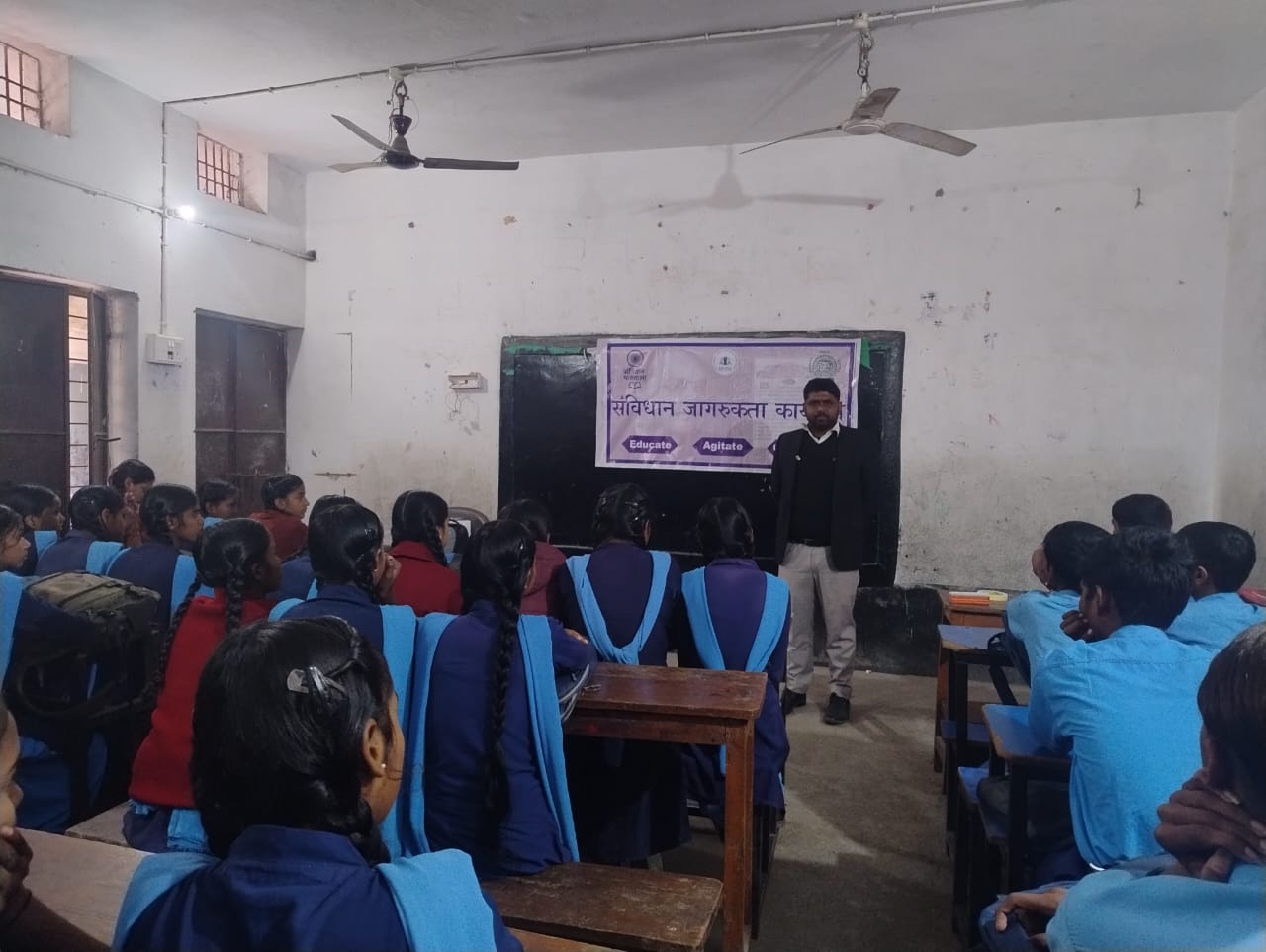
- Capacity Building Training for Girls: Regular training sessions will be conducted to strengthen 300 girls’ confidence, communication skills, leadership abilities, and career readiness. Sessions will include personality development, goal setting, decision-making, and career planning activities.
- Science Exhibition and Innovation Activities: Girls will be encouraged to participate in science exhibitions where they will prepare models, projects, and innovative ideas. This activity will promote creativity, teamwork, and practical learning.
- Presentation and Public Speaking Sessions: Interactive sessions will be organized where girls will practice presentations, group discussions, and public speaking on different topics such as education, career goals, and social issues. This will help them express their ideas confidently.
- Awareness Programs on Menstrual Hygiene, Scholarships, and Fellowships: Awareness sessions will be conducted to educate girls about menstrual health and hygiene practices, while also providing information about scholarships and fellowship opportunities available for their education and career growth. Guidance support will also be provided where needed.
Proposed Activities
Sr. No |
Activities |
Proposed |
1. | Capacity Building Training | 8 |
2. | Exhibition (Prep + Events) | 4 |
3. | Pad Distribution Drives | 2 |
4. | Career Counselling Sessions | 2 |
5. | Social and Emotional Leaning Sessions | 2 |
A sense of how this effort fits into a longer journey or plan, whether personal or collective.
“Pankho Ki Udaan” is not a one-time intervention but part of a sustained journey to transform how adolescent girls experience education. We aren’t just checking boxes; we are holding the line for 300 girls. When we look at them at the end of 12 months, we won’t just see students—we will see the future doctors, teachers, and leaders of Patna who finally believe that the sky is not the limit, but their playground. At the collective level, the initiative contributes to building a replicable school-adoption model. The long-term vision is to:
- Institutionalize leadership and safe-space circles within schools
- Develop peer mentors who sustain activities beyond the project cycle
- Strengthen school-community engagement, especially with teachers
- Scale the model to additional government schools over time
Over the next 3–5 years, the goal is to transition from direct facilitation to capacity-building—training selected girl leaders and teachers to continue the work independently. This creates sustainability and ownership within the school ecosystem.
Expected Outcomes : -
- From Silence to Self-Advocacy: We will able to move 300 girls from “silent exclusion” to active participation. By building their confidence and public speaking skills.
- Breaking the Biological Barrier: By providing consistent menstrual hygiene support and health education, we reclaim the 25% of school days typically lost to periods.
- Closing the Digital Divide: We are dismantling “techno-patriarchy” by giving girls hands-on digital skills.
- Mapping a Future Beyond Class X: We replace low-aspiration cycles with concrete career pathing and social emotional learning.
About Our Organisation
Sajha Welfare Foundation, based in Patna, a Section 8 nonprofit organization committed to the socioeconomic upliftment of marginalized and underserved communities across the region.
We operate on the fundamental belief that sustainable progress is possible only when the most vulnerable members of society are equipped with the knowledge, confidence, and opportunities necessary to live a life of self-reliance and dignity.
Working directly at the grassroots level in and around Patna, we identify systemic barriers that prevent individuals — particularly women, adolescents, and marginalized families — from accessing education, healthcare, legal protection, and economic opportunities. Through a holistic and community-centered intervention model, we address these gaps by integrating education support, life skills development, mental health awareness, gender empowerment initiatives, and livelihood-oriented guidance.
Our approach is participatory and sustainable, ensuring that communities are not merely beneficiaries but active partners in their own development journey.